23 Tips for a Successful Outdoor Wedding Planning
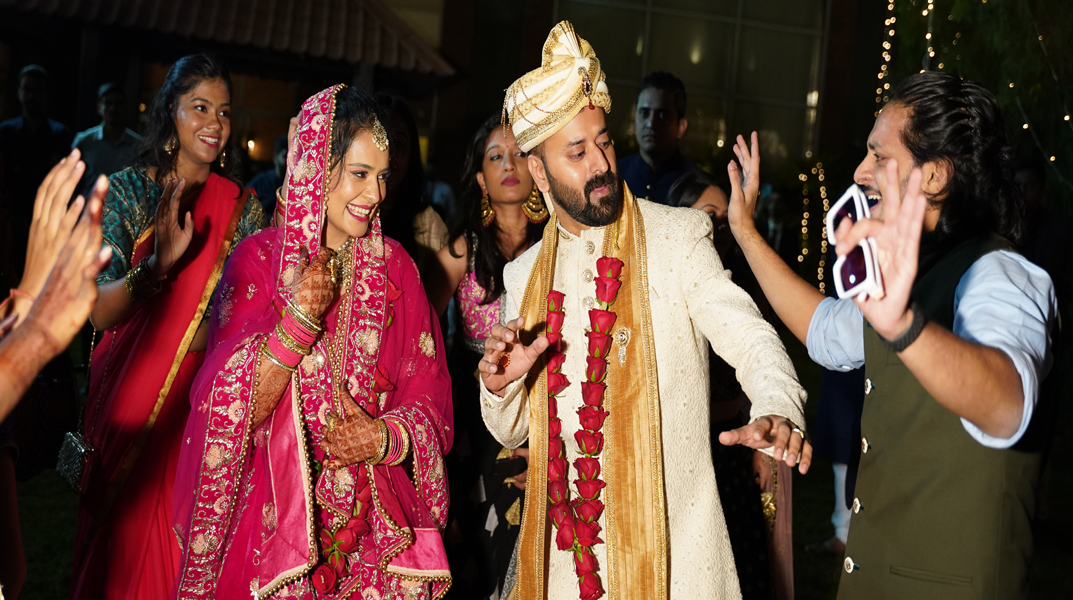
An outdoor wedding can be a beautiful and unforgettable experience, but it requires careful planning to ensure its success. Unlike traditional indoor weddings, outdoor weddings come with unique challenges such as unpredictable weather and the need for additional arrangements for lighting, sound and seating.
However, with proper planning and preparation, an outdoor wedding can be a wonderful and memorable event. This article provides some tips and guidelines for planning a successful outdoor wedding.
The great part?
And here are the 23 outdoor wedding planning tips you’ll know in this post:
- Choosing the Right Outdoor Venue
- Weather Contingency Planning
- Providing Comfortable Seating Arrangements
- Ensuring Appropriate Lighting for the Event
- Catering and Beverage Considerations
- Music and Sound Considerations
- Photography and Videography Considerations
- Wedding Attire and Accessories
- Wedding Favors and Gifts
- Timeline Planning
- Transportation and Parking Considerations
- Wedding Security and Safety
- Children and Family Considerations
- The Importance of Hiring Experienced Vendors
- Using Natural Elements to Enhance the Ambiance
- Creating A Cohesive Design Theme
- Accommodating Guests with Special Needs
- Communicating With Your Wedding Planner and Vendors
- Preparing For Unexpected Situations
- Providing Shade and Hydration Stations
- Incorporating Eco-Friendly Practices
- Using Outdoor Games and Activities to Entertain Guests
- Embracing the Natural Beauty of the Outdoor Setting

1. Choosing the Right Outdoor Venue
Choosing the right outdoor venue is crucial to the success of your wedding. It sets the tone for the entire atmosphere of your special day. Before choosing a venue, consider the number of guests you want to invite and the facilities the venue offers. Look for a venue that can accommodate your guest list comfortably and offers restrooms, parking, and power sources. You should also consider the distance and accessibility of the venue to your guests, especially those with disabilities.
Furthermore, your venue should reflect your personal style and taste. Consider the overall theme of your wedding and the scenery you want in the background. An outdoor wedding venue offers stunning natural backdrops such as mountains, beaches, and gardens. The view and scenery should match your wedding theme and make your day more memorable.
When choosing an outdoor wedding venue, it’s important to ask about any restrictions that may affect your event. Some venues have restrictions on music and entertainment, while others have specific rules regarding food and drink. Make sure you understand all the restrictions before signing the contract to avoid any last-minute surprises.

2. Weather Contingency Planning
Planning an outdoor wedding means you’re at the mercy of the weather, which can be unpredictable. No matter what the weather brings, having a weather contingency plan is essential to ensure your big day goes smoothly.
First, know the weather forecast for your wedding day. Check the forecast often in the weeks leading up to the wedding day. If rain seems likely, have a backup plan, such as a tent or covered area. Make sure you have enough tents or covers to comfortably accommodate all your guests.
Second, consider the temperature changes that occur throughout the day. If the temperature is expected to drop in the evening, consider providing blankets or heaters to keep your guests warm. Alternatively, if it’s a hot day, make sure you provide fans or misting stations to keep your guests cool.
Third, have a plan in case of severe weather. If your wedding is scheduled during hurricane season or any other weather-sensitive period, you may want to consider purchasing insurance that covers unforeseen events.
Finally, communicate with your vendors and make sure they have contingency plans. Make sure your caterer knows how to handle last minute changes and your photographer is prepared to work in different weather conditions.
3. Providing Comfortable Seating Arrangements
Providing comfortable seating arrangements for your guests is a key aspect of planning an outdoor wedding. You want your guests to feel comfortable and relaxed so they can enjoy your special day without any discomfort.
First, consider the type of seating you want to provide. Outdoor weddings are more relaxed and have many seating options to choose from. You can choose traditional chairs or go for a more casual feel by providing picnic tables or benches. Rent comfortable seating options such as cushioned chairs to ensure your guests are comfortable during the wedding.
Second, make sure there is enough seating for all your guests. The last thing you want is for your guests to be standing or sitting on the floor. Make sure there are any unexpected guests and make sure extra seating is available if needed.
Third, consider the location of your seating arrangements. Ensure seating is arranged to allow guests to comfortably enjoy the ceremony and other activities. Guests should have a clear view of the ceremony and be able to hear what is happening.
Finally, don’t forget about providing shade for your guests in hot weather. You can rent umbrellas or have a tent available to provide shade. Consider placing tables and chairs under trees or other shady spots to keep guests comfortable.

4. Ensuring Appropriate Lighting for the Event
Lighting is a crucial aspect of any wedding, and it becomes even more important for outdoor weddings as the natural lighting may not be sufficient. Proper lighting can set the mood, create ambiance, and highlight your wedding’s beauty.
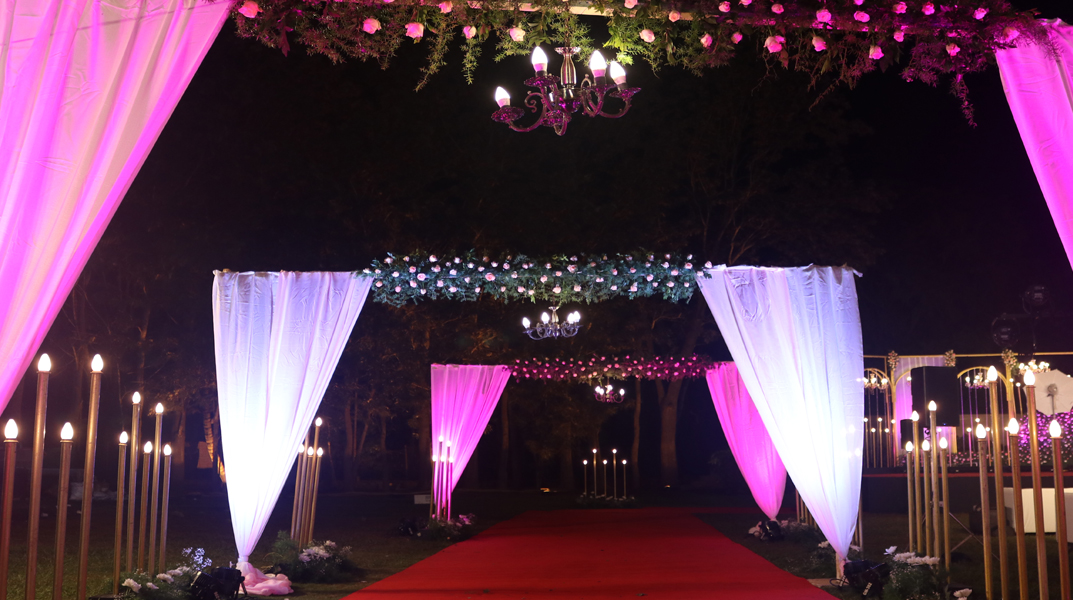
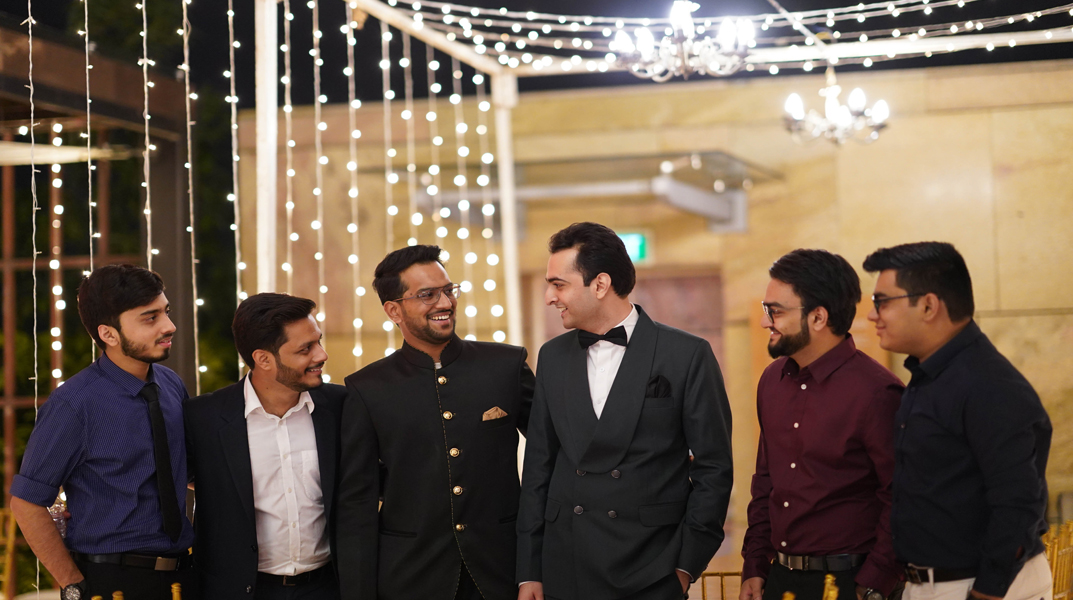
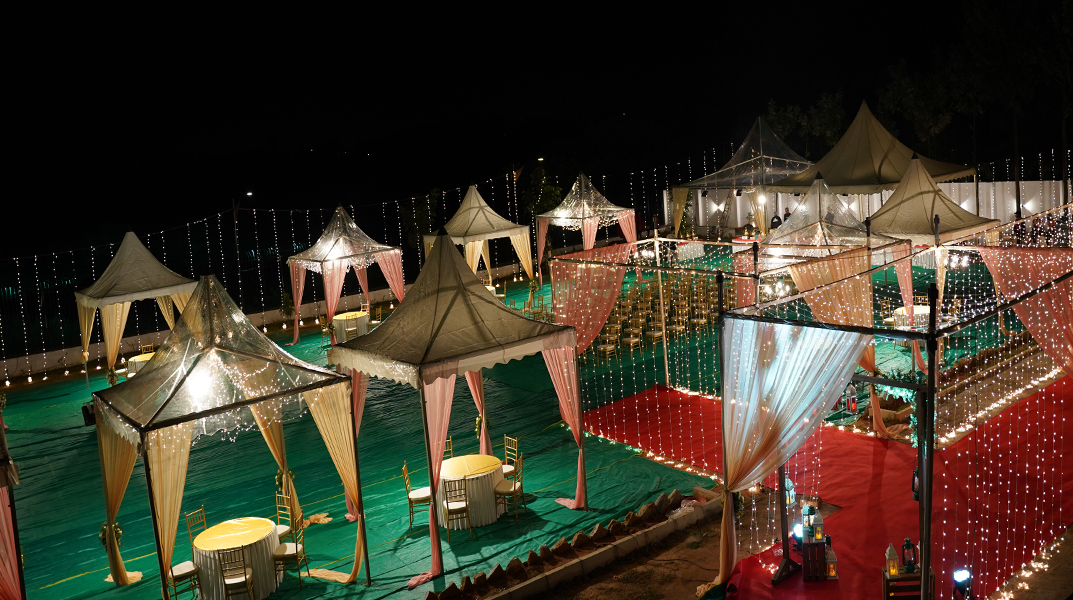
Firstly, consider the time of day your wedding will take place. If your wedding is scheduled for the evening, you will need to provide enough lighting to ensure your guests can move around safely. This can be achieved through the use of string lights, lanterns, or floodlights. If your wedding is scheduled during the daytime, you may not need as much additional lighting but still should consider providing shaded areas or using curtains or drapes to create a more intimate ambiance.
Secondly, consider the placement of the lighting. Lighting should be arranged in a way that highlights the key features of your wedding venue, such as trees, fountains, or other natural elements. Be mindful of the placement of the lighting to ensure that it does not detract from the natural beauty of the venue.
Thirdly, consider the color of the lighting. White lighting is a traditional choice, but colored lighting can add a touch of fun and whimsy to your outdoor wedding. You can experiment with different colored lights to create a unique ambiance.
Finally, consult with a lighting professional. If you’re unsure about the lighting requirements for your outdoor wedding, consider consulting with a lighting professional. They can help you create a lighting plan that will highlight the best features of your wedding venue and ensure that your guests have a memorable experience.
5. Catering and Beverage Considerations
Catering and beverage considerations are essential aspects of planning a successful outdoor wedding. When planning the catering and beverage options, you should consider the weather, location, and time of day to ensure that your guests are comfortable and well-fed throughout the event.
Firstly, consider the type of food and beverages you will be serving. Outdoor weddings are often more relaxed than traditional indoor weddings, so you may want to consider offering a more casual menu that is suitable for outdoor dining. You may also want to consider incorporating local and seasonal ingredients into your menu.
Secondly, ensure that you have sufficient quantities of food and beverages available for your guests. The last thing you want is for your guests to go hungry or thirsty during your wedding. Make sure that you have enough food and drink to last the duration of your wedding, including any cocktail hour, dinner, and dessert.
Thirdly, consider the presentation of the food and beverages. Outdoor weddings often provide an opportunity to showcase unique and creative food and beverage presentations. Consider incorporating rustic elements such as wooden crates, mason jars, and other natural elements into the presentation.
Fourthly, consider the storage and temperature of the food and beverages. Outdoor weddings can be affected by unpredictable weather conditions, so it’s essential to ensure that your food and beverages are stored and served at appropriate temperatures. Consider renting refrigerated trucks or coolers to keep your food and beverages fresh and cool.
Finally, consider providing non-alcoholic beverage options for your guests. Outdoor weddings can be hot and humid, and it’s essential to ensure that your guests stay hydrated. Consider offering water stations or lemonade stands throughout the venue to ensure that your guests have access to refreshing beverages.
6. Music and Sound Considerations
Music and sound considerations are critical for any outdoor wedding. Unlike indoor weddings, outdoor weddings require special attention to ensure that guests can hear the music and speeches clearly, and that the music doesn’t disturb neighboring properties. Here are some essential music and sound considerations for outdoor weddings:
Choose the right sound system: Outdoor weddings require a sound system that is designed for outdoor use. Make sure you choose a sound system that is powerful enough to cover your entire wedding area, but also has the flexibility to adjust the sound for different parts of the wedding.
Select the right music: Selecting the right music for your outdoor wedding is crucial. Consider the vibe and mood you want to create and choose music that fits that ambiance. Make sure to include a variety of genres to cater to all guests’ musical preferences.
Plan for live music: If you plan on having live music at your wedding, make sure you have the proper sound system and stage set up for the musicians. Ensure that the musicians have enough space to set up their equipment, and consider the weather conditions that may affect their instruments.
Consider the timing of the music: Outdoor weddings often have noise restrictions in place, so it’s crucial to ensure that the music does not disturb neighboring properties. Plan the timing of the music carefully, and consider the location of the wedding in relation to the surrounding area.
Provide microphones for speeches: Outdoor weddings can be noisy, and it can be challenging for guests to hear speeches and toasts. Make sure to provide microphones for anyone making a speech to ensure that all guests can hear what is being said.
Keep the volume at an appropriate level: It’s essential to keep the volume at an appropriate level to avoid disturbing neighbors and ensure that all guests can hear the music and speeches. Work with your DJ or sound technician to find the right balance.
7. Photography and Videography Considerations
Photography and videography considerations are crucial for capturing the memories of your outdoor wedding. Here are some essential tips to ensure that your wedding photos and videos turn out beautifully:
Choose the Right Photographer/Videographer
Choose a photographer/videographer who has experience shooting outdoor weddings. Look at their portfolio to see if their style aligns with your vision for your wedding.
Plan for the Lighting
Outdoor lighting can be tricky, especially if your wedding is in the evening. Make sure to plan for the lighting with your photographer/videographer to ensure that they have the equipment they need to capture the best shots.
Consider the Location
The location of your outdoor wedding can impact the lighting and the background for your photos and videos. Choose a location that offers beautiful scenery and is well-suited for photography and videography.
Discuss the Timeline
Discuss the timeline for your wedding day with your photographer/videographer to ensure that they have enough time to capture all the important moments.
Inform the Photographer/Videographer of any Special Requests
If you have any special requests for photos or videos, such as particular angles or shots, make sure to inform your photographer/videographer ahead of time.
Have a Backup Plan
In case of inclement weather, make sure to have a backup plan for your photos and videos. Consider indoor locations or alternate outdoor locations that would still provide beautiful scenery.
Consider a Drone
Drones can provide unique aerial shots of your outdoor wedding. If you’re interested in using a drone, make sure to discuss this with your photographer/videographer ahead of time.
8. Classic Bride and Groom Poses
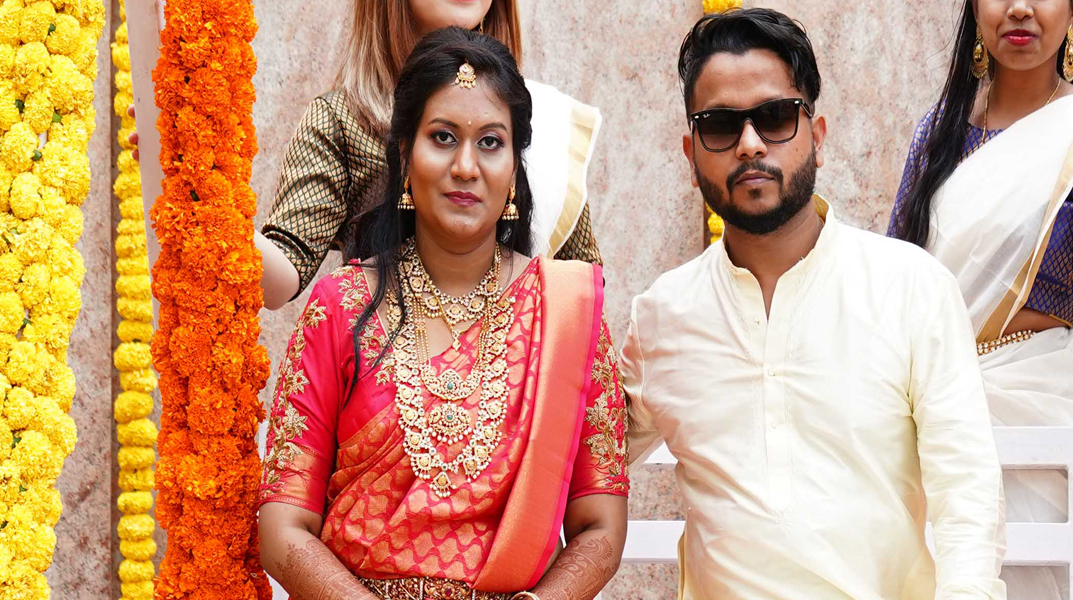
Outdoor weddings offer unique opportunities to incorporate nature and the environment into your wedding attire and accessories. Here are some tips for choosing wedding attire and accessories for an outdoor wedding:
Consider the Weather
When choosing your wedding attire, consider the weather conditions. Outdoor weddings can be unpredictable, so make sure your attire is appropriate for the weather. For example, if it’s going to be hot, choose a lightweight fabric for your dress or suit.
Choose the Right Footwear
Outdoor weddings often require a lot of walking and standing, so choose comfortable footwear that won’t sink into the ground. Consider wedges, flats, or even boots if the terrain is uneven or the ground is wet.
Accessorize with Nature
Incorporate nature into your wedding accessories by using flowers or greenery in your hair, or choosing a floral tie or boutonniere for the groom. This can add a natural and romantic touch to your outdoor wedding.
Keep it Simple
When it comes to outdoor weddings, less is often more. Avoid heavy jewelry or accessories that can weigh you down or get caught in branches or other elements of nature.
Coordinate with your Surroundings
Take inspiration from your surroundings when choosing your wedding colors and attire. Consider complementary or contrasting colors that will look beautiful against the backdrop of nature.
Don’t forget about your Guests
Consider providing your guests with suggestions for appropriate attire for an outdoor wedding. Let them know if the terrain is uneven or if the weather conditions will require special attire, such as rain boots or sunscreen.
9. Wedding Favors and Gifts
Wedding favors and gifts are a way to show appreciation to your guests for attending your special day. For an outdoor wedding, there are many unique and creative ideas that can tie in with the natural setting. Here are some ideas for outdoor wedding favors and gifts:
Customized Sunscreen or Insect Repellent
If your wedding is taking place during the day or in the evening when mosquitoes are out, providing your guests with sunscreen or insect repellent can be a thoughtful and practical gift. You can even customize the packaging with your name and wedding date.
Personalized Plant Seeds
Give your guests a gift that they can take home and plant, such as wildflower seeds or herb seeds. You can personalize the packaging with your names and wedding date.
S’mores Kits
If your wedding is taking place around a campfire, providing your guests with s’mores kits can be a fun and delicious favor. Include graham crackers, marshmallows, and chocolate, and personalize the packaging with your names and wedding date.
Customized Water Bottles
For an outdoor wedding, it’s important to stay hydrated. Providing your guests with customized water bottles can be a practical and eco-friendly favor. You can personalize the bottles with your names and wedding date.
Personalized Sunglasses
If your wedding is taking place during the day, providing your guests with personalized sunglasses can be a stylish and practical favor. You can even include a message like “Thank you for being a part of our bright future together” on the packaging.
Mini Potted Plants
Give your guests a lasting memory of your wedding day by providing them with mini potted plants. Succulents, herbs, and wildflowers are all great options that can be personalized with a tag or label.

10. Timeline Planning
Timeline planning is essential for any wedding, but it becomes even more critical when planning an outdoor wedding. Here are some key considerations for timeline planning for an outdoor wedding:
Start Early
It’s never too early to start planning your outdoor wedding timeline. As soon as you book your venue, start working on your timeline so that you have plenty of time to make adjustments and tweaks as needed.
Consider the Weather
When planning your timeline, keep in mind the typical weather patterns for your wedding location and season. This will help you plan for any potential weather-related delays or adjustments.
Allow Extra Time for Setup and Breakdown
Setting up and breaking down an outdoor wedding can take more time than an indoor wedding, so make sure to account for this in your timeline.
Plan for the Lighting
If your wedding is taking place in the evening, make sure to account for the time it takes to set up lighting and adjust the timeline accordingly.
Communicate with Vendors
Make sure to communicate your timeline with all of your vendors, including your caterer, photographer, and DJ, so that everyone is on the same page and can work together to ensure a smooth event.
Schedule a Rehearsal
A rehearsal is especially important for an outdoor wedding, as it allows you to practice your timeline and make any necessary adjustments.
Have a Backup Plan
In case of inclement weather or other unexpected events, have a backup plan in place and adjust your timeline accordingly.
11. Transportation and Parking Considerations
When planning an outdoor wedding, transportation, and parking considerations are essential to ensure that your guests can easily and safely access the wedding venue. Here are some tips to consider:
Research transportation options
Depending on the location of your wedding venue, you may need to provide transportation options for your guests. Research local transportation companies and consider arranging shuttles or buses to transport guests from hotels or designated meeting points to the venue.
Provide clear directions
Make sure to provide your guests with clear directions to the wedding venue, including a map and any relevant parking information.
Consider parking arrangements
Depending on the size of your wedding and the location of the venue, you may need to arrange for additional parking or valet services.
12. Wedding Security and Safety
Ensuring the safety and security of your guests is an important consideration when planning any wedding, but it becomes even more critical when planning an outdoor wedding. Here are some tips to consider:
Hire security personnel
Consider hiring security personnel to ensure the safety of your guests and prevent any unwanted guests from entering the wedding venue.
Plan for emergencies
Make sure to have a plan in place for emergencies, such as medical emergencies or severe weather conditions.
Provide appropriate lighting
Make sure to provide appropriate lighting to ensure the safety of your guests and prevent any accidents or injuries.
Consider the location
When selecting an outdoor wedding venue, consider the safety and security of the location, including any potential hazards or risks.
13. Children and Family Considerations
When planning an outdoor wedding, it’s important to consider the needs of families and children who may be attending. Here are some tips to consider:
Provide activities for children
Consider providing activities and entertainment for children, such as games, crafts, or a designated play area.
Offer child-friendly food options
Make sure to provide food options that are child-friendly and appealing to all ages.
Consider the seating arrangements
When planning the seating arrangements, consider grouping families together to make it easier for parents to keep an eye on their children.
Provide necessary amenities
Make sure to provide necessary amenities for families, such as changing tables, strollers, and high chairs.
By considering these factors when planning your outdoor wedding, you can ensure that all of your guests, including families and children, have a safe and enjoyable experience.
15. The Importance of Hiring Experienced Vendors
When planning an outdoor wedding, hiring experienced vendors is crucial to ensure that your big day goes smoothly. Here are some reasons why hiring experienced vendors is so important:
They have a better understanding of the challenges of outdoor weddings: Experienced outdoor wedding vendors understand the unique challenges that come with hosting a wedding outdoors. They know how to work around weather-related issues, how to set up equipment in an outdoor setting, and how to adapt to unexpected changes.
They have established relationships with other vendors: Experienced vendors often have established relationships with other vendors in the wedding industry. This can be especially beneficial when planning an outdoor wedding, as vendors who have worked together in the past can often coordinate more effectively.
They can offer valuable advice and recommendations: Experienced vendors have worked on many weddings and can offer valuable advice and recommendations on everything from the best time of day for outdoor photos to the most reliable outdoor lighting options.
They can handle unforeseen circumstances: No matter how well-planned a wedding may be, unexpected issues can arise. Experienced vendors are often better equipped to handle unforeseen circumstances and can keep the event running smoothly.
They have a track record of success: One of the most significant benefits of hiring experienced vendors is that they have a track record of success. You can look at their previous work and client testimonials to determine if they are the right fit for your wedding.
When selecting vendors for your outdoor wedding, make sure to do your research and choose vendors with experience working in outdoor settings. This will help ensure that your wedding day is a success and that you have a memorable and enjoyable experience.
15. Using Natural Elements to Enhance the Ambiance
One of the greatest benefits of an outdoor wedding is the natural beauty that surrounds you. To enhance the ambiance of your outdoor wedding, consider incorporating natural elements into your decor. Here are some ideas to get you started:
Flowers and greenery: Use local flowers and greenery to decorate your ceremony and reception space. Incorporate them into your centerpieces, bouquets, and other decor elements.
Natural lighting: Take advantage of natural lighting for your outdoor wedding. Consider the time of day and position your ceremony and reception to capture the best lighting. Use candles or lanterns to create a romantic ambiance as the sun goes down.
Water features: If your outdoor venue has a lake, river, or pond, consider using it as a backdrop for your ceremony or reception. You can also add water features such as fountains or waterfalls to enhance the ambiance.
Natural materials: Incorporate natural materials such as wood, stone, and rustic metals into your decor. You can use these materials for table settings, signs, and other decorative accents.
Fire features: If allowed by your venue, consider adding a fire feature such as a bonfire or fire pit. This can provide warmth and ambiance as the sun goes down.
Outdoor games: Consider setting up outdoor games such as lawn games, horseshoes, or bocce ball. This can provide entertainment for your guests and enhance the relaxed, outdoor atmosphere.
By incorporating natural elements into your outdoor wedding, you can create a beautiful and unique ambiance that your guests will remember for years to come.

16. Creating a Cohesive Design Theme
When planning an outdoor wedding, creating a cohesive design theme can help tie everything together and make your wedding feel polished and intentional. Here are some tips to help you create a cohesive design theme for your outdoor wedding:
Start with a color palette: Choose a color palette that reflects your personal style and the natural surroundings of your venue. Use this palette throughout your decor, invitations, and attire.
Consider the style of your venue: Take inspiration from the style of your venue and incorporate elements that complement its natural beauty. For example, if your venue has a rustic, natural feel, you might use wooden signage and wildflower centerpieces to enhance that style.
Use decor elements to tie everything together: Use decor elements such as lighting, linens, and signage to tie your design theme together. For example, if you have a beachy color palette, consider using starfish or seashells as part of your decor.
Choose a focal point: Choose a focal point for your design theme, such as a beautiful floral arch or a stunning backdrop. This focal point can help tie everything together and create a memorable centerpiece for your wedding.
Be consistent: Make sure your design theme is consistent throughout your wedding, from the ceremony to the reception. This can help create a cohesive look and feel for your entire event.
By following these tips, you can create a cohesive design theme for your outdoor wedding that reflects your personal style and enhances the natural beauty of your venue.
17. Accommodating Guests with Special Needs
When planning an outdoor wedding, it’s important to ensure that all guests, including those with special needs, are able to enjoy and participate in your special day. Here are some tips to help you accommodate guests with special needs:
Accessibility: Ensure that your outdoor venue is accessible for guests with mobility issues. This includes providing wheelchair ramps, accessible restrooms, and designated parking spaces.
Communication: Communicate with guests ahead of time to determine if they have any specific needs or accommodations. This will help you plan accordingly and make sure everyone is comfortable.
Seating: Provide ample seating options for guests who may need to sit or rest frequently. This includes providing seating near the ceremony area and reception area, as well as offering chairs with backs for those who may have difficulty standing.
Special dietary needs: Consider guests who may have special dietary needs, such as allergies or dietary restrictions. Ensure that your catering options include vegetarian, gluten-free, and other special menu items.
Temperature control: Consider providing shade, fans, or heaters depending on the weather conditions to ensure guests are comfortable and not overheated or cold.
Communication during the event: Make sure that guests with special needs know who to contact during the event if they need assistance. Provide contact information for a designated point person, such as a wedding coordinator or family member.
By taking these steps to accommodate guests with special needs, you can ensure that everyone feels comfortable and included in your outdoor wedding celebration.

18. Communicating With Your Wedding Planner and Vendors
Communication is key to a successful outdoor wedding. You should make sure that you stay in close communication with your wedding planner and vendors throughout the planning process. Discuss your expectations and requirements, and keep them informed about any changes or updates that may arise.
Make sure they have a clear understanding of the logistics and timeline of the day, and provide them with detailed information about the venue, layout, and any special requirements or requests.

19. Preparing for Unexpected Situations
Even with the most meticulous planning, unexpected situations can occur during an outdoor wedding. It’s important to be prepared for any eventuality, so that you can minimize the impact of any unforeseen circumstances. Here are some tips to help you prepare for unexpected situations:
Have a backup plan for inclement weather. This could include renting a tent or arranging for an indoor location as a backup option.
Prepare a wedding day emergency kit, including items such as a first-aid kit, sunscreen, bug spray, and extra clothing for the bride and groom.
Consider hiring a professional wedding planner or coordinator who can help manage any unexpected situations that arise.
Make sure that you have adequate insurance coverage for your wedding, including liability insurance in case of any accidents or injuries.
Prepare your guests for any potential issues, such as high temperatures or uneven terrain, so that they can come prepared with appropriate clothing and footwear.
By communicating with your wedding planner and vendors and preparing for unexpected situations, you can help ensure that your outdoor wedding runs smoothly and is a memorable and enjoyable occasion for all involved.
20. Providing Shade and Hydration Stations
When planning an outdoor wedding, it’s important to consider the comfort of your guests. One of the biggest challenges of an outdoor wedding is dealing with the heat and sun exposure, particularly during the summer months.
To ensure that your guests are comfortable and well-hydrated throughout the day, consider providing shaded areas and hydration stations throughout the venue. This could include renting umbrellas or canopies, providing water coolers or hydration stations, or offering refreshing beverages such as lemonade or iced tea.

21. Using Outdoor Games and Activities to Entertain Guests
Outdoor weddings provide a unique opportunity to incorporate fun and interactive games and activities to entertain your guests. These can be especially enjoyable during the cocktail hour or reception when guests are looking to socialize and have fun. Here are some ideas for outdoor games and activities to consider:
Cornhole: A classic lawn game that is always a crowd-pleaser.
Giant Jenga: A larger-than-life version of the classic game that is sure to entertain guests of all ages.
Lawn Twister: A fun twist on the classic game that involves painting circles on the grass.
Giant Checkers: Another larger-than-life game that is both fun and visually striking.
Lawn Bowling: A low-key game that is perfect for guests who prefer a more relaxed pace.
These are just a few ideas to get you started, but there are countless other options to consider depending on your personal preferences and the style of your wedding. Just make sure to provide enough space for the games and activities, and consider having someone in charge of managing them to ensure that they run smoothly. By incorporating outdoor games and activities into your wedding, you can create a fun and memorable experience for your guests that they will always remember.
22. Embracing the Natural Beauty of the Outdoor Setting
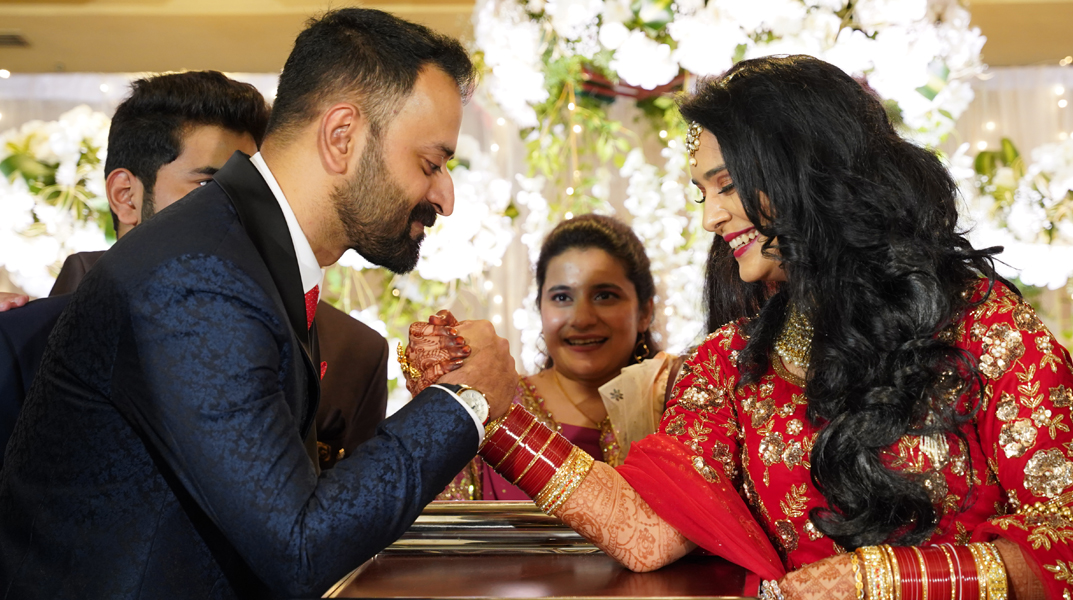
One of the best things about having an outdoor wedding is the natural beauty that surrounds you. From the lush greenery to the open sky, nature provides a stunning backdrop for your special day. Here are some ways to embrace the natural beauty of your outdoor setting:
Keep decorations simple: Let the natural beauty of the outdoors shine by keeping decorations minimal. Use greenery, flowers, and other natural elements to complement the surroundings rather than overpowering them.
Use natural lighting: Take advantage of natural lighting by scheduling your ceremony and reception around the time of day when the lighting is most beautiful. You can also use candles, lanterns, or string lights to create a warm and romantic atmosphere.
Incorporate natural elements into your decor: Use items such as stones, branches, and driftwood to add a touch of nature to your decor. You can also incorporate natural elements into your centerpieces or use them as place card holders.
Choose a location that showcases the natural beauty: When choosing your outdoor venue, look for a location that highlights the natural beauty of the surrounding landscape. A garden, a vineyard, or a beach can all provide a stunning setting for your wedding.
By embracing the natural beauty of your outdoor setting, you can create a wedding that is both beautiful and unique. The key is to keep things simple and let the surroundings speak for themselves. With a little creativity and planning, you can create a truly magical outdoor wedding that celebrates the beauty of nature.
23. Incorporating Eco-Friendly Practices
As we become more aware of our impact on the environment, many couples are looking for ways to incorporate eco-friendly practices into their wedding planning. An outdoor wedding can provide an ideal opportunity to do just that. Here are some ways you can incorporate eco-friendly practices into your outdoor wedding:
Choose a venue that is committed to sustainability and eco-friendly practices.
Use biodegradable or compostable plates, cups, and utensils instead of disposable plastic.
Choose locally-sourced and organic food and beverage options.
Use natural and sustainable decor, such as recycled or repurposed items, potted plants, or locally-grown flowers.
Encourage carpooling or provide transportation options to reduce carbon emissions.
By incorporating eco-friendly practices into your outdoor wedding, you can not only reduce your impact on the environment, but also inspire others to make more sustainable choices in their own lives.