
How Many Types of Weddings Are There in India?
India is a land of diverse cultures, traditions, and religions, and this variety is reflected in its wedding ceremonies. From the grand celebrations of North India to the more intimate rituals of South India, each region offers a unique take on how a wedding should unfold. But with so many customs, it’s often difficult to understand the sheer variety of wedding types in India.
In this blog, we’ll explore the different types of weddings across the country, highlighting the unique rituals, customs, and cultural influences that define each one. Whether it’s a traditional Hindu wedding, a grand Punjabi celebration, or a serene Christian ceremony, each wedding type tells its own story. Let’s dive into this fascinating world and discover the diversity of Indian weddings.
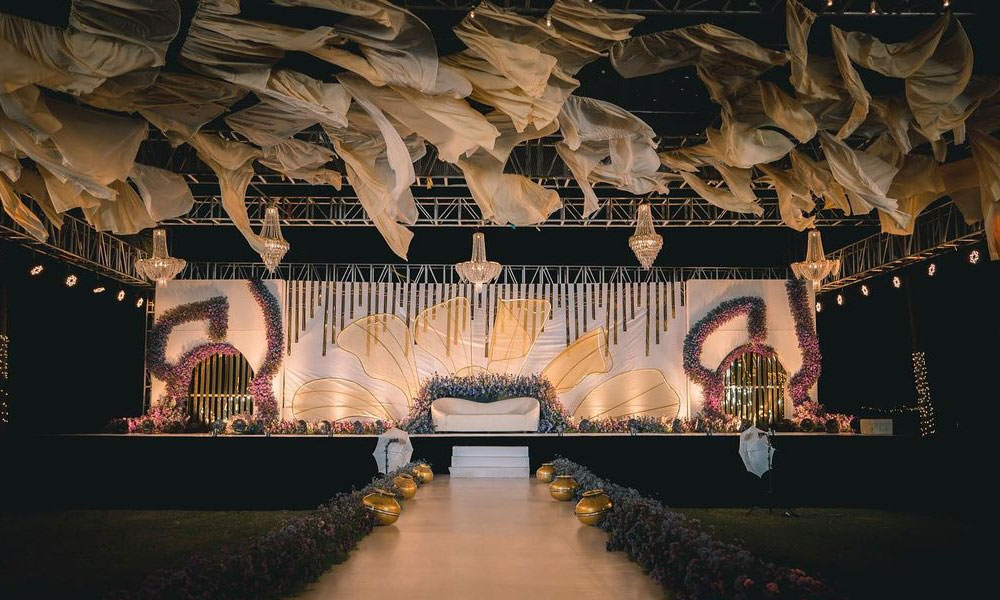
1. Hindu Weddings: A Rich Tradition Across India
Hindu weddings are among the most popular and widely celebrated weddings in India. They are known for their rich rituals, vibrant colors, and deep cultural significance. While the core rituals remain similar, the wedding style and traditions can vary greatly depending on the region, community, and family.
Common Rituals in Hindu Weddings:
-
Kanyadaan: The father gives away his daughter to the groom.
-
Saat Phere: The couple circles a sacred fire seven times, each round symbolizing a vow.
-
Sindoor and Mangalsutra: The groom applies vermilion (sindoor) to the bride’s forehead and ties the mangalsutra (sacred necklace) around her neck.
Variations Based on Region:
-
North Indian Weddings: Known for their grandeur and elaborate celebrations. Typically, these weddings include mehendi (henna application) and sangeet (musical night).
-
South Indian Weddings: These weddings are more solemn and traditional, with a strong emphasis on rituals like the tying of the thali (sacred necklace) by the groom.
2. Sikh Weddings: A Spiritual and Symbolic Celebration
Sikh weddings are deeply spiritual and centered around simplicity and humility. These weddings are not just about celebrating love but also about connecting with the divine. The key focus of Sikh weddings is the Gurdwara (Sikh temple), where the wedding ceremony is performed.
Key Rituals:
-
Anand Karaj: The Sikh marriage ceremony, where the couple takes four rounds around the Guru Granth Sahib (holy scripture).
-
Ardas: A prayer is recited to seek blessings for the couple’s new life.
Sikh weddings are usually simpler in terms of decoration and attire but are filled with meaning and spiritual significance. The focus is on the unity of the couple, the families, and the community.
3. Muslim Weddings: A Blend of Traditions and Rituals
Muslim weddings in India are rich in cultural traditions and are primarily centered around religious rituals. These weddings are often grand celebrations but differ based on the region and community.
Key Rituals in Muslim Weddings:
-
Nikah: The Islamic marriage contract, where the bride and groom agree to marry in the presence of an imam and witnesses.
-
Mahr: A mandatory payment from the groom to the bride, symbolizing respect and commitment.
-
Rukhsati: The emotional moment when the bride leaves her parental home to begin a new life with her husband.
The wedding is followed by a festive reception known as the Walima, which is hosted by the groom’s family.
4. Christian Weddings: A Sacred Union of Two Souls
Christian weddings in India are typically solemn and sacred affairs. The focus of the ceremony is on the religious vows exchanged between the bride and groom before God. Christian weddings, although celebrated in different styles, share many similarities across denominations.
Common Rituals:
-
Exchange of Vows: The couple makes promises to each other in the presence of a priest and witnesses.
-
Ring Ceremony: The exchange of wedding rings symbolizes commitment and fidelity.
-
Blessings and Prayers: The priest blesses the couple, praying for their future happiness.
The attire is generally formal, with the bride wearing a white gown and the groom in a suit. The church ceremony is followed by a reception that often includes dancing and feasting.
5. Muslim Weddings: A Blend of Traditions and Rituals
Muslim weddings in India are rich in cultural traditions and are primarily centered around religious rituals. These weddings are often grand celebrations but differ based on the region and community.
Key Rituals in Muslim Weddings:
-
Nikah: The Islamic marriage contract, where the bride and groom agree to marry in the presence of an imam and witnesses.
-
Mahr: A mandatory payment from the groom to the bride, symbolizing respect and commitment.
-
Rukhsati: The emotional moment when the bride leaves her parental home to begin a new life with her husband.
The wedding is followed by a festive reception known as the Walima, which is hosted by the groom’s family.
6. Jain Weddings: Simple Yet Elegant
Jain weddings follow the principles of Jainism, emphasizing non-violence, simplicity, and devotion. The ceremonies are mostly simple, yet elegant, and there is a deep focus on ritual purity and the sanctity of marriage.
Key Rituals:
-
Vivah Sanskar: The formal wedding ceremony that includes the exchange of vows and sacred prayers.
-
Pheras: The bride and groom take vows around the sacred fire, committing to each other in marriage.
Jain weddings typically have minimalistic decor, focusing on simplicity and spirituality. These weddings are known for their serene and peaceful nature, with a strong emphasis on family bonding.
7. Tamil Weddings: A Traditional South Indian Ceremony
Tamil weddings are highly traditional and center around rituals that have been passed down for generations. These weddings are deeply influenced by Hindu rituals but have unique elements that define Tamil culture.
Key Rituals:
-
Thaali Ceremony: The groom ties the thaali (a sacred pendant) around the bride’s neck, marking her as his wife.
-
Kanyadanam: The father of the bride gives her away to the groom during a sacred prayer.
Tamil weddings are known for their colorful decorations, rich cultural traditions, and the emphasis on family unity.
8. Bengali Weddings: A Rich Cultural Tradition
A Bengali wedding is a vibrant affair, filled with rich traditions and customs. The rituals in Bengali weddings are steeped in centuries-old culture, with an emphasis on family, rituals, and the goddess Durga’s blessings.
Key Rituals:
-
Subho Drishti: The bride and groom see each other for the first time after the wedding ceremony, symbolizing the beginning of their union.
-
Saat Paak: The bride is lifted in a traditional manner by her brothers and placed in front of the groom for the exchange of vows.
The attire for Bengali weddings is usually traditional sarees for the bride, with the groom wearing a dhoti and kurta. The event is marked by an array of food and sweets, especially mishti (sweets).
9. Punjabi Weddings: A Lavish and Joyous Celebration
Punjabi weddings are known for their loud, lively celebrations and vibrant decor. The Lavish celebrations are accompanied by music, dance, and traditional rituals, making these weddings one of the most fun-filled and festive events.
Key Rituals:
-
Anand Karaj: The main wedding ceremony, where the couple walks around the Guru Granth Sahib, taking vows to stay united for the rest of their lives.
-
Jutti Chupai: A playful ritual where the bride’s family hides the groom’s shoes, and he must pay them to get them back.
Punjabi weddings are full of dancing, music, and a huge feast with family and friends joining in the Bhangra dance and other cultural celebrations.
10. Marwari Weddings: Traditional and Extravagant
Marwari weddings are known for their opulence and extravagance. These weddings are steeped in traditional rituals and are usually large, family-oriented events with elaborate ceremonies and celebrations.
Key Rituals:
-
Bidaai: The bride’s emotional farewell from her parental home to her new life.
-
Mehendi Ceremony: A pre-wedding ceremony where intricate henna designs are applied to the bride’s hands and feet.
The Marwari community’s weddings are grand affairs, featuring lavish decorations, traditional music, and a colorful feast for guests.
Final Thoughts
Indian weddings are incredibly diverse, with each region and community offering its own unique traditions and celebrations. From the vibrant Punjabi weddings to the spiritual Sikh ceremonies, each wedding type reflects the cultural richness and beauty of India. Understanding the different types of weddings across India will help you appreciate the diversity of wedding rituals that bring families and communities together in the celebration of love and union.
Whether it’s a grand affair or a simple ceremony, weddings in India showcase the country’s cultural fabric and the importance placed on family, tradition, and love.