
What Are the Rules for Wedding Mandap?
The mandap is the sacred space where the couple exchanges vows and begins their journey together in an Indian wedding. It holds immense significance and is central to the ceremony. But did you know that there are specific rules and guidelines for setting up a mandap?
In many cultures, the mandap is not just a physical structure—it is a representation of the home the couple will build together. Therefore, the placement, design, and decor of the mandap must follow traditional rules and Vastu principles to ensure the wedding is blessed with harmony, happiness, and prosperity. Whether you’re looking for Vastu guidelines, traditional customs, or simply seeking advice on mandap setup, this blog will help you understand the essential rules for creating the perfect wedding mandap.
1. The Symbolism and Importance of the Mandap
Before diving into the specific rules, it’s important to understand why the mandap plays such an essential role in Indian weddings. The mandap represents the home the couple will begin to build together, and it is considered a sacred space for performing marriage rituals. It is also where the couple will make vows to each other and to their families, and where the sacred fire (Agni) is kept, witnessing the couple’s union.
The four pillars of the mandap symbolize the foundation of marriage—love, trust, respect, and understanding. In many Hindu weddings, it is also said that the four pillars represent the four goals of life (Dharma, Artha, Kama, and Moksha), which are essential for a harmonious and prosperous life. Given its significance, it’s vital that the mandap follows both spiritual and practical guidelines to create an environment of positivity and balance.
2. Vastu Shastra and Its Influence on Mandap Placement
In Vastu Shastra, an ancient system of architecture and design, the direction and placement of structures are believed to influence the energy and flow within a space. The same principles apply to the mandap, and following Vastu rules is essential to ensure that the wedding is blessed with good fortune and prosperity.
Ideal Location:
-
The mandap should ideally be placed in the center of the wedding venue, ensuring that the energy is equally distributed.
-
If the wedding is being held in an open space, the mandap should face the east, as it is considered the most auspicious direction. This is because the sun rises in the east, symbolizing a new beginning for the couple.
-
For indoor weddings, the north-east direction is considered favorable for setting up the mandap. This direction is associated with wealth and prosperity in Vastu.
-
Avoid placing the mandap in the south-west or south corners of the venue, as these directions are believed to bring negative energy and can affect the marriage’s stability.
By adhering to Vastu guidelines, the mandap will promote a sense of balance, positivity, and well-being for the couple, ensuring that the wedding ceremony is a harmonious event.
3. Rules for Mandap Structure and Design
The structure and design of the mandap are key factors in determining its significance and aesthetic appeal. Here are some of the important rules that govern the mandap’s construction:
1. Four Pillars of the Mandap:
-
The four pillars of the mandap are symbolic of the four essential values that support the marriage. As mentioned earlier, these pillars represent love, respect, trust, and understanding. They should be placed in such a way that they support the overall structure and the wedding’s sanctity.
2. Use of Sacred Fabrics and Colors:
-
Traditional mandaps are adorned with silk or satin fabrics in rich colors like red, gold, or white. These colors symbolize prosperity, purity, and good luck.
-
Red is considered an auspicious color, representing passion and good fortune, while gold represents wealth and prosperity. The use of white symbolizes purity and new beginnings.
-
Drapes should hang from the pillars to create an inviting and enclosed space, which signifies protection and privacy for the couple during the ceremony.
3. Floral Decorations:
-
Flowers play a crucial role in mandap decor. They add beauty and fragrance while also representing life, fertility, and renewal. Commonly used flowers include marigolds, roses, lotus flowers, and orchids.
-
Flower garlands are often used to decorate the mandap, and mango leaves are hung on the pillars for additional symbolism of prosperity and fertility.
4. The Fire and Sacred Rituals:
-
The sacred fire (Agni) is a central element in Hindu weddings, and it should be placed at the center of the mandap. It serves as a witness to the vows and symbolizes purity and transformation.
-
Ensure that the fire is safely contained in a fireproof container and that it is maintained throughout the ceremony.
4. Vows and Rituals Performed Under the Mandap
The mandap is the space where most of the wedding rituals are carried out, and these rituals follow certain guidelines to ensure the sanctity of the ceremony.
1. Saat Phere (Seven Circles):
One of the most important rituals, the Saat Phere, involves the bride and groom walking around the sacred fire seven times. Each circle represents a vow or promise to each other, such as commitment to love, respect, and share responsibilities. The direction of the walk is always clockwise, symbolizing the couple’s movement forward in life together.
2. Kanyadaan (Giving Away the Bride):
This emotional ritual is performed by the bride’s parents, who symbolically give away their daughter to the groom. The kanyadaan should be performed under the mandap, as it is considered one of the most sacred moments in the ceremony.
3. Sindoor and Mangalsutra:
The groom applies sindoor (vermilion) on the bride’s forehead and ties the mangalsutra (sacred necklace) around her neck. Both of these are vital elements of the marriage and represent the bride’s commitment to her new life and her relationship with her husband.
4. Blessings from Elders:
The mandap is also where family elders bless the couple with prayers and good wishes for a happy and prosperous married life.
5. Mandap Decor: Personalization and Themes
In addition to following the traditional rules, many couples choose to personalize their mandap decor to reflect their unique style and wedding theme. Modern mandaps can incorporate a wide variety of elements that make the wedding ceremony more personal and memorable.
1. Personalized Flowers and Accents:
Couples often select specific flowers that hold personal meaning or that match the overall wedding color palette. For example, white lilies may symbolize purity, while roses represent love.
2. Themes and Motifs:
Some couples choose to incorporate specific themes or motifs into their mandap design. For example, a vintage theme may feature delicate lace fabrics, while a modern theme may focus on sleek, minimalistic designs with metallic elements.
3. Lighting Effects:
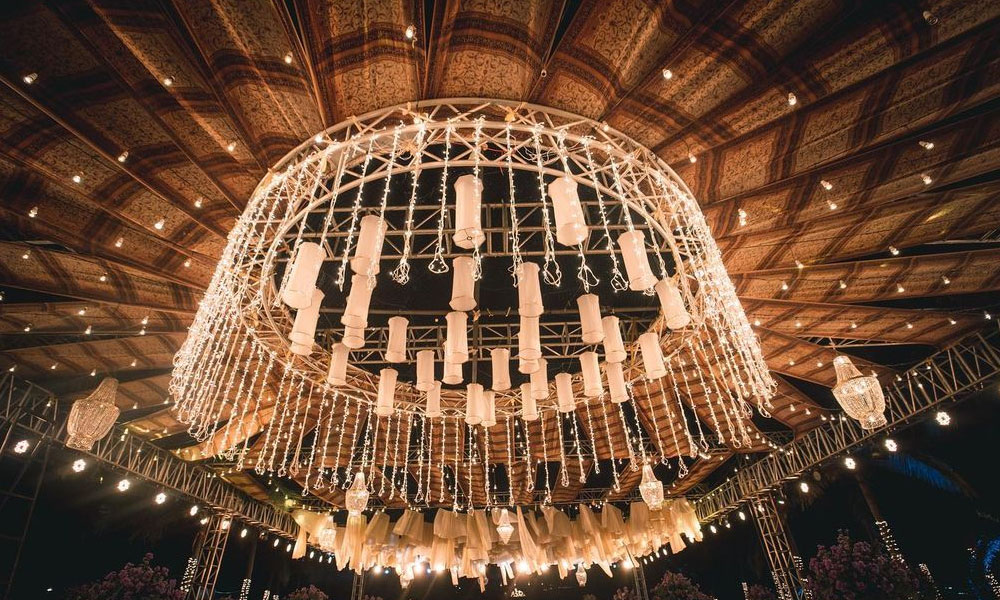
Lighting can dramatically transform the appearance of the mandap. Fairy lights, chandeliers, or string lights can add a magical, romantic touch to the space. Additionally, LED lights or spotlights can help highlight the couple during key moments of the ceremony.
6. How to Ensure the Mandap Setup is Perfect
The setup of the mandap should be planned well in advance to avoid last-minute hiccups. Here’s how you can ensure everything is perfect:
-
Professional Decorators: Hire a professional decorator or wedding planner who understands the importance of following the rules and guidelines for the mandap setup.
-
Clear Communication: Share your vision and expectations with the decorators. If you have any special requests, be clear about them well in advance.
-
Pre-Wedding Walkthrough: Do a walkthrough of the venue and mandap setup a day before the wedding to ensure everything is in place, from the placement of the mandap to the lighting and decorations.
Final Thoughts
The mandap is more than just a physical structure; it is a spiritual and cultural symbol that plays a key role in any Indian wedding. By following the rules for mandap setup, you ensure that this sacred space is not only beautiful but also filled with positive energy and blessings for the couple. From adhering to Vastu guidelines to incorporating personalized elements, your mandap should reflect the essence of your wedding and the significance of the vows being taken.